Key Medical Takeaways
Essential highlights by Dr. Payal BajajSocial egg freezing is becoming more and more popular for women who want to preserve their fertility. Whether for personal, professional, or medical reasons, this technology allows you to delay pregnancy until you’re ready. Who is the best ...
Table of Contents (Jump to Section)
Social egg freezing is becoming more and more popular for women who want to preserve their fertility. Whether for personal, professional, or medical reasons, this technology allows you to delay pregnancy until you’re ready. Who is the best candidate for this? In this blog, we’ll look at who should consider social egg-freezing and why.
The process involves extracting and freezing a woman’s eggs for future use. It’s particularly good for those who want to have children later but are worried about declining fertility with age.
If you’re considering this option, especially in Delhi, then knowing the egg-freezing price in Delhi and if you’re an ideal candidate is key.

Emotional and Mental Preparedness
Freezing your eggs will give you a sense of relief but remember this is not a guarantee to pregnancy. Not all frozen eggs will result in successful fertilization or pregnancy. Be mentally prepared to do additional procedures like IVF later on.
Future and Lifestyle
If you are thinking of egg freezing, consider your future. Do you see yourself having children in the next 5-10 years? Are you committed to the process, which may involve IVF and hormone treatments later? These are to be considered before you decide.
What is Social Egg Freezing?
Social egg freezing is different from egg freezing for medical reasons. It’s a proactive choice to preserve fertility for personal or professional reasons. This process allows you to store your eggs at a younger age when fertility is higher and have a better chance of successful pregnancy later in life. It helps women plan their reproductive future without causing any severe medical conditions.Who Should Consider Social Egg Freezing?
While social egg freezing is commonly accessible to all, it is not required for everyone to freeze their eggs. Here’s who should consider social egg-freezing: Women at the Age of Late 20s to Early 30s Your fertility starts to decline after your early 30s. For women who aren’t ready to have children by their late 20s or early 30s, social egg-freezing is the solution. At this age, your eggs are healthier and have a higher chance of resulting in a successful pregnancy later. The most common reasons to freeze your eggs at this age are:- You want to focus on your career: Many women are delaying motherhood to build their careers. Freezing your eggs gives you peace of mind that you can have children later, even after you’ve achieved your professional goals.
- You haven’t found the right partner yet: If you’re single and want to give yourself more time to find the right partner, freezing your eggs gives you more options down the line.
Medical Considerations for Social Egg Freezing
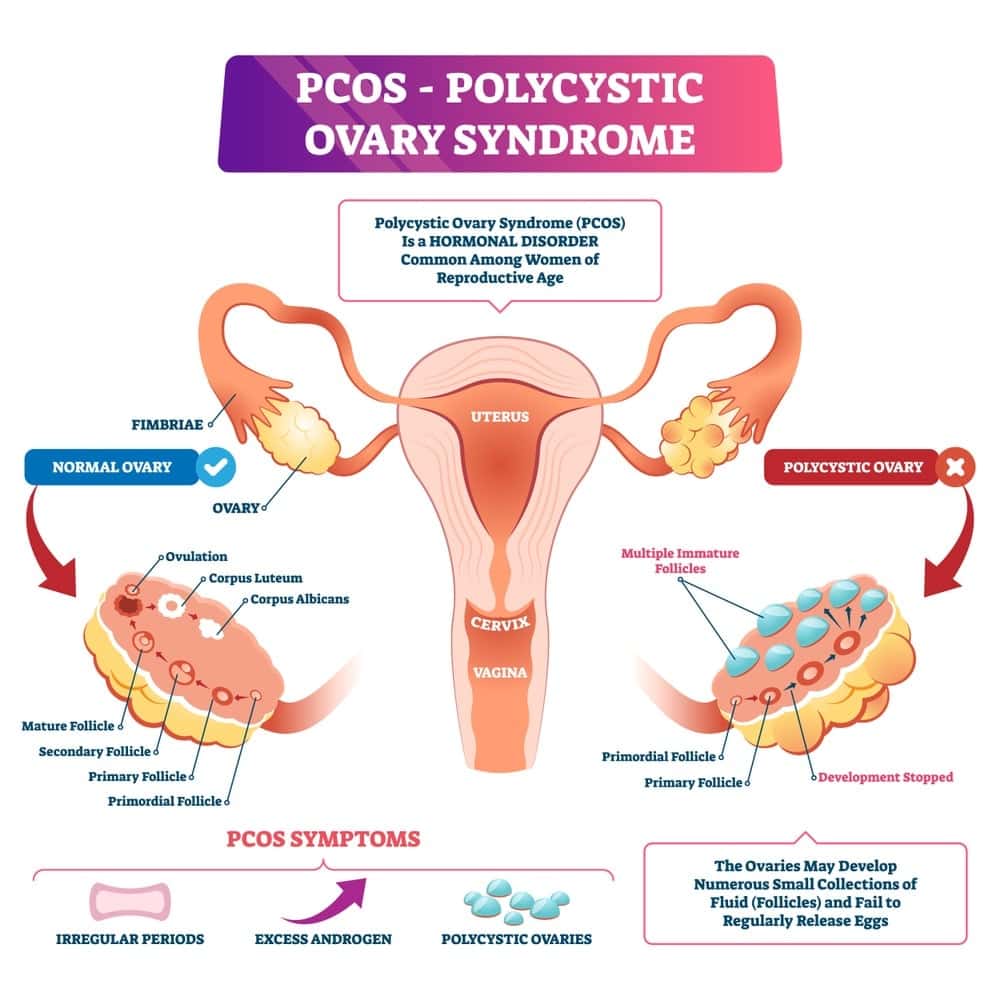
Social egg freezing is often seen as a non-medical decision, but some women may consider it for medical reasons, even without a fertility issue. Women Undergoing Medical Treatments If you are about to undergo treatments such as chemo or radiation, which could damage your ovaries or eggs, freezing your eggs beforehand is a viable option. You can have children once your treatment is completed and you are stable. Women With Reproductive Health Conditions If you have conditions like endometriosis or polycystic ovary syndrome (PCOS), which could affect your fertility in the future, egg freezing is an option. These conditions can progress and make conceiving more difficult as you age. Freezing your eggs while they are still healthy will protect your chance of having a biological child.How to Know if Social Egg Freezing is for You?
There are many factors to consider before you decide to freeze your eggs. Weigh the pros and cons and talk to a fertility specialist. Here are some to help you decide: Your Age and Fertility Fertility drops significantly as women age, most sharply after 35. The younger you are when you freeze your eggs, the better the chance of a successful pregnancy later. Ideally, it’s most effective for women in their late 20s to early 30s. Fertility Timeline:| Age Group | Fertility Status |
| Late 20s to Early 30s | Fertility is at its peak; ideal time for social egg freezing. |
| Mid-30s | Fertility begins to decline, but egg freezing is still possible. |
| After 35 | Fertility drops significantly; fewer eggs and lower quality. |
Conclusion
Social egg freezing is for women who want to take control of their fertility. Whether you’re focused on your career, waiting for the right partner, or safeguarding against reproductive health conditions, freezing your eggs will give you peace of mind and more options for the future. Before you decide, it's important to know the egg-freezing cost in Delhi and the costs involved. Most importantly, consult a fertility expert who can guide you through the process and tell you when to freeze your eggs. We at Nandi IVF ensure that everyone gets a chance to plan their reproductive future and have a successful and positive IVF experience.
Medically Reviewed & Authored By
Dr. Payal Bajaj
MBBS, DGO, Fellowship in ART (Germany & Japan)
Senior IVF & Embryology Consultant with over 20+ years of specialized clinical experience in reproductive endocrinology, blastocyst culture, and complex recurrent IVF failure cases. Over 10,000+ healthy babies delivered.