Laparoscopy and hysteroscopy surgeries are the most common procedures for In vitro fertilization (IVF). Laparoscopy is a minimally invasive surgical procedure in which a small telescope is inserted through a small incision in the abdomen in order to visualize the reproductive organs. In minimally invasive techniques, small incisions are made rather than large ones, which means less pain, a shorter stay at our clinic, and fewer complications.
Hysteroscopy is also a similar procedure in which a small telescope is inserted through the cervix into the uterine cavity in order to visualize the uterine lining. Hysteroscopy is used to diagnose infertility or repeated miscarriages, obtain endometrial biopsy tissues, and treat scarring, polyps, or small fibroids within the uterus.
Hysteroscopy is also a similar procedure in which a small telescope is inserted through the cervix into the uterine cavity in order to visualize the uterine lining. Hysteroscopy is used to diagnose infertility or repeated miscarriages, obtain endometrial biopsy tissues, and treat scarring, polyps, or small fibroids within the uterus.
Laparoscopy and hysteroscopy surgery can both be used to diagnose and treat various fertility issues and are generally safe and effective. Both of these procedures are typically performed in an outpatient setting and do not require an overnight hospital stay.
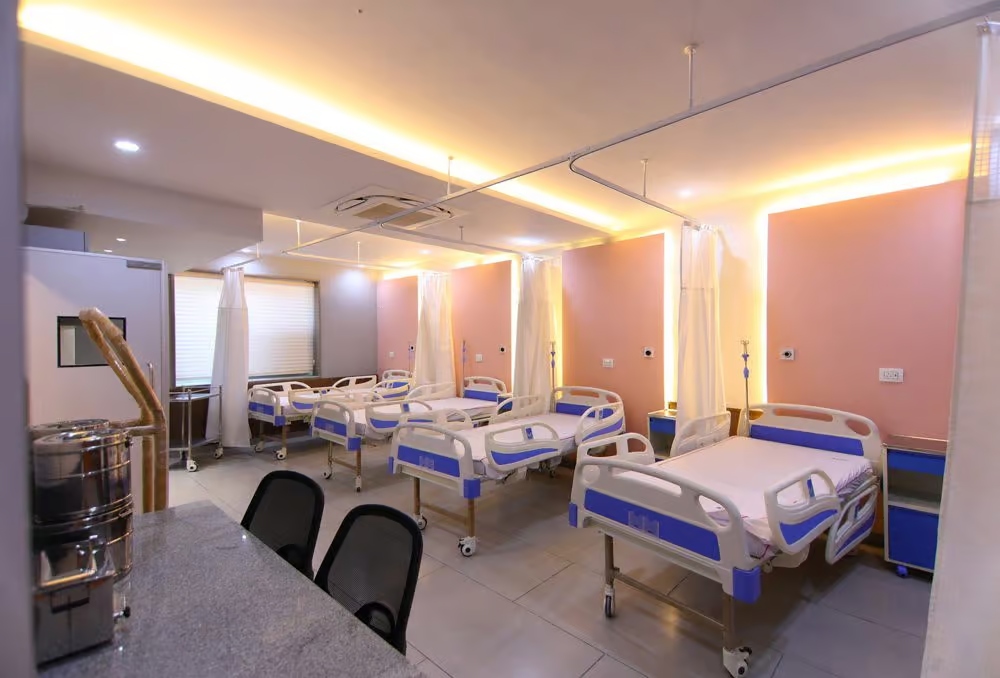
Equipped with high-definition endoscopic equipment for precision day-care procedures.
Minimally invasive keyhole surgical techniques allow direct evaluation and repair.