
Key Medical Takeaways
Essential highlights by Dr. Payal Bajaj“Your periods are regular, so everything must be fine.” If you are tired of hearing this often while silently wondering why pregnancy isn’t happening, you’re not alone! Many women predominantly assume a predictable cycle means no fertility ...
Table of Contents (Jump to Section)
“Your periods are regular, so everything must be fine.” If you are tired of hearing this often while silently wondering why pregnancy isn’t happening, you’re not alone! Many women predominantly assume a predictable cycle means no fertility issue. Yet for many couples, conception takes longer even when periods show up right on time. So, what does that imply? The truth is fertility is like a relay race, with ovulation being just one runner. The fallopian tube, sperm health, hormones and successful implantation must pass the baton in order to conceive naturally. Even if one runner fails, the pregnancy is delayed. Before we explore the effective solutions like hormonal therapy, lifestyle adjustments and IUI treatment in Delhi, let’s get into what might be happening behind the scenes!
You can always use ovulation predictor kits, cycle tracker and follicular monitoring to predict your ovulation. Even though timing remains unpredictable, IUI treatment can improve chances by placing the sperm directly into the uterus at the right moment.
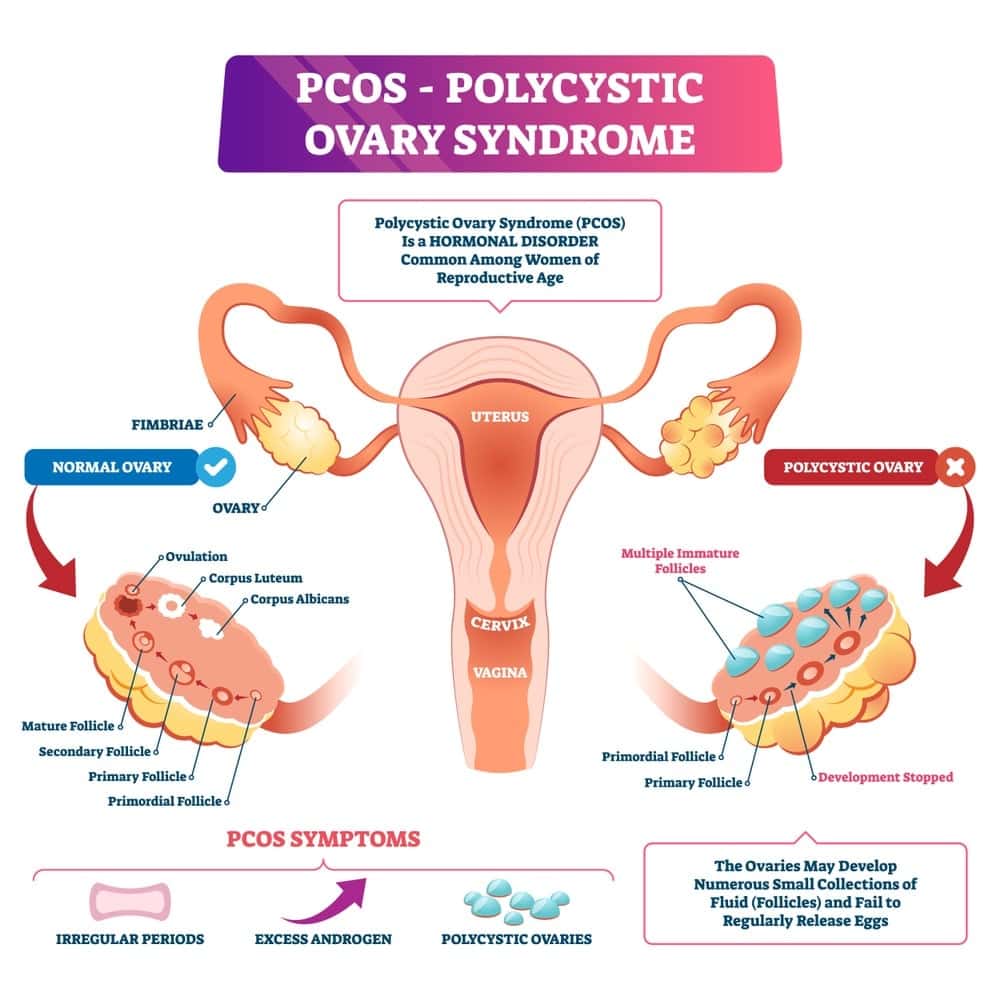
Read Also : PCOS-Linked Problems That Every Woman Should Know
If you have been spending the past few months researching what might have gone wrong on your journey to parenthood, we suggest you visit the nearest IVF Specialist in Delhi. Clarity is surely better than uncertainty!
Do Regular Periods Always Mean Fertility is Normal?
Let us understand it with a concept like baking bread. Having good flour helps, but you also need the right temperature, yeast and timing. In the same manner, regular periods are surely a positive sign, but they don’t automatically guarantee pregnancy even with predictable cycles and normal flow. Various other factors like egg quality, sperm health, hormonal balance and condition of the fallopian tube influence the possibility of pregnancy. So, when is the right time to take a fertility evaluation? IVF Doctors in Delhi usually suggest a fertility assessment if:- You are under 35 and trying for 12 months.
- You are above 35 and trying for 6 months.
- You have known medical conditions affecting fertility.
Why are you not getting Pregnant with Normal Periods?
Here are some of the most common reasons infertility specialists look for. Is your ovarian reserve really good? Ovulation may happen every month, but egg quality may vary. The egg health may be affected by increasing age, nutritional deficiencies, thyroid issues, chronic stress and poor sleep patterns. Could your fallopian tube be the hidden reason? This actually surprises many couples. Your periods could be absolutely normal even if the tubes are blocked. Ovulation happens, hormones are balanced and yet sperm and egg never meet. Check if you have had any past infections, untreated pelvic inflammation, any previous surgery or conditions like endometriosis. HSG tests and ultrasound can help you find tube blockages. Has your partner been tested? Male infertility contributes to nearly half of the infertility cases. (source) It could be low sperm count, poor motility, shape defects and DNA damage. With early testing, not only do you save time and money, but you also relieve the emotional strain. Read Also : Egg Freezing Price in Delhi : Comparing Storage Fees, Medications, and Procedures Could hormonal imbalance be the real issue? Well, not all hormonal problems disrupt your cycle. But they impair implantation rather than ovulation. Ask yourself if you witness spotting before periods or if you feel unusually fatigued. You never know it could be thyroid imbalance, progesterone deficiency or high prolactin hidden beneath. Could timing be the real problem? Did you know an egg survives only about 12-24 hours after ovulation, while sperm can survive up to 5 days? Many couples try regularly but they happen to miss the fertile window. Here is a menstrual cycle fact check:| Fertility Fact | Detail |
| Best conception days | 2-3 days before ovulation |
| Ovulation timing | Usually, mid cycle |
| Egg lifespan | 1 day |
| Sperm lifespan | Up to 5 days |
What are the Possible Treatment Options for Infertility?
Once the reason behind delayed conception is identified, treatment becomes much more targeted. Review this simplified table of how different causes are typically managed:| Cause | What May Be Happening | Possible Treatment Options |
| Ovulation or egg quality issues | Eggs may not fertilise easily despite regular cycles | Ovulation support medication, lifestyle correction, IUI treatment, IVF |
| Blocked fallopian tubes | Egg and sperm cannot meet naturally | Surgical correction (in selected cases), IVF |
| Mild male factor infertility | Low sperm count or motility | Supplements, lifestyle changes, IUI treatment |
| Moderate to severe male factor | Fertilisation difficulty | IVF with ICSI |
| Hormonal imbalance | Implantation or ovulation support may be weak | Hormone therapy, monitored cycles, IUI treatment |
| Endometriosis | Inflammation affecting fertilisation or implantation | Medical management, surgery, IVF |
| Timing issues | Fertile window being missed | Ovulation tracking, follicular monitoring, IUI treatment |
Bottom line
Regular periods are reassuring, but they are just a piece of the puzzle. When pregnancy hasn’t happened despite trying, it simply implies something needs attention. With the right evaluation, many couples have moved forward with targeted treatment like IUI and IVF. Sometimes the path to parenthood just needs a little scientific approach. It is often the right guidance that makes all the difference! Read Also : Sterility vs Infertility: What’s the Difference & How Doctors Diagnose It
Medically Reviewed & Authored By
Dr. Payal Bajaj
MBBS, DGO, Fellowship in ART (Germany & Japan)
Senior IVF & Embryology Consultant with over 20+ years of specialized clinical experience in reproductive endocrinology, blastocyst culture, and complex recurrent IVF failure cases. Over 10,000+ healthy babies delivered.