Key Medical Takeaways
Essential highlights by Dr. Payal BajajGetting pregnant after surgery is a painful process which dents a hole in the pockets of most patients. If we talk about a specific type of surgery, tubal ligation, this method involves permanently blocking, clipping, or removing the fallop...
Table of Contents (Jump to Section)
Getting pregnant after surgery is a painful process which dents a hole in the pockets of most patients. If we talk about a specific type of surgery, tubal ligation, this method involves permanently blocking, clipping, or removing the fallopian tubes. This prevents sperms from fertilizing eggs and thus the implantation of a fertilized egg. Thus, once you give birth to a baby, your chances of becoming pregnant the second time vanishes. Also, tubal ligation reversal may not be an option for women who have had tubal ligation but later decide to have another baby. In such cases, in vitro fertilization (IVF) is the most advised and preferred method of conceiving after surgical sterilization.
Is Pregnancy Possible After Tubal Ligation?
What happens if you have a tubal ligation and then decide not to have another child? Do you have any options? Without a doubt. To try to conceive, you can use IVF, or in vitro fertilization which is the safest, quickest method and much more cost-effective. IVF was developed to assist women with tubal blockages and tubal problems in conceiving. In fact, the world’s first IVF patient Lesley Brown, choose IVF because of complications in her tubes (tubes were blocked and she could not conceive).Advantages of IVF after and over Tubal Ligation?
One of the most significant advantages of in vitro fertilization is that it avoids the major surgery associated with tubal reversal. Because tubal ligation is considered major surgery, you must spend several days in the hospital. Furthermore, in Australia, some IVF cycles are covered by Medicare; but, there’s no mention-worthy Medicare rebate for tubal reversal in India. Another significant advantage of IVF over tubal ligation is that you can find out if the procedure was successful within two weeks of having an embryo transfer, whereas you may have to wait, often for more than a year, to gauge the success of a tubal reversal. Tubal ligation reversal is a much more invasive procedure than in vitro fertilization (IVF). While reversal surgery necessitates several weeks of recuperation, IVF can begin without delay or/and causing discomfort related with major surgery. Furthermore, results can be noted within a month’s time of the procedure, whereas pregnancy after tubal ligation reversal can take up to two years.What do you need to know about IVF after tubal ligation?
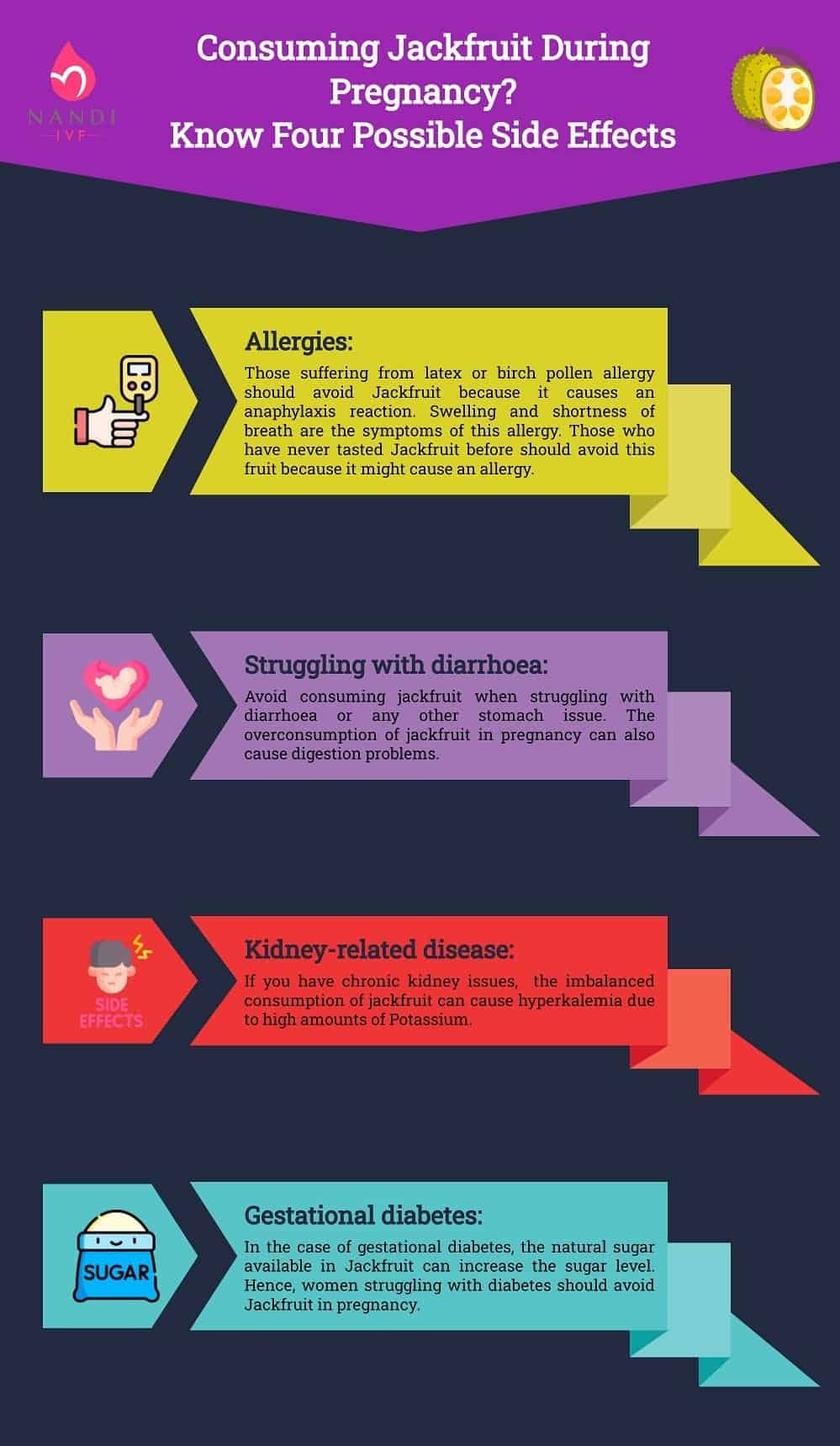
One major advantage of IVF is that it results in higher pregnancy rates than tubal reversal. Another advantage of IVF is that it eliminates the need of open Fallopian tubes. Instead, the woman's eggs are extracted directly from her ovaries after she has taken medications to cause the production of multiple eggs. Thereby, the eggs are fertilized by an embryologist using the sperm of the woman's partner or a donor. The healthiest of the resulting embryos is then transferred to the woman's uterus, where it can develop into a baby. Read Also: Jackfruit During Pregnancy: Benefits, Risks, and Side Effects
Medically Reviewed & Authored By
Dr. Payal Bajaj
MBBS, DGO, Fellowship in ART (Germany & Japan)
Senior IVF & Embryology Consultant with over 20+ years of specialized clinical experience in reproductive endocrinology, blastocyst culture, and complex recurrent IVF failure cases. Over 10,000+ healthy babies delivered.