Key Medical Takeaways
Essential highlights by Dr. Payal BajajMonth after month of trying, and still no pregnancy. If that's where you are, you're not alone. For a lot of women, the reason comes down to something fairly specific - the ovaries just aren't releasing an egg the way they're supposed to. F...
Table of Contents (Jump to Section)
Month after month of trying, and still no pregnancy. If that's where you are, you're not alone. For a lot of women, the reason comes down to something fairly specific - the ovaries just aren't releasing an egg the way they're supposed to. Frustrating, yes. But treatable too. In fact, once irregular or absent ovulation gets confirmed as the cause, ovulation induction is often the first thing a fertility specialist turns to.
The idea is to stimulate the ovaries so they produce and release a mature egg. Ovulation induction can help achieve natural conception or increase the chances of success when combined with IUI treatment. In this guide, you will find what the treatment involves, who it's usually recommended for, how it plays out, and what you can expect if your doctor brings it up as an option.
What Is Ovulation Induction
In simple language, ovulation induction uses medication to prompt the ovaries into producing and releasing one or more mature eggs within a menstrual cycle. That's it. No surgery, no complicated intervention, just a carefully managed medical process. It's used mainly for women who ovulate irregularly, or not at all (a condition doctors call anovulation). Get ovulation back on a predictable schedule, and the odds of pregnancy go up, whether the couple is trying through timed intercourse or through IUI. None of this happens without a supervision. A fertility specialist tracks down everything including- how the ovaries respond at every stage, adjusting the plan as needed so the process stays both safe and on target.Who Can Benefit From Ovulation Induction
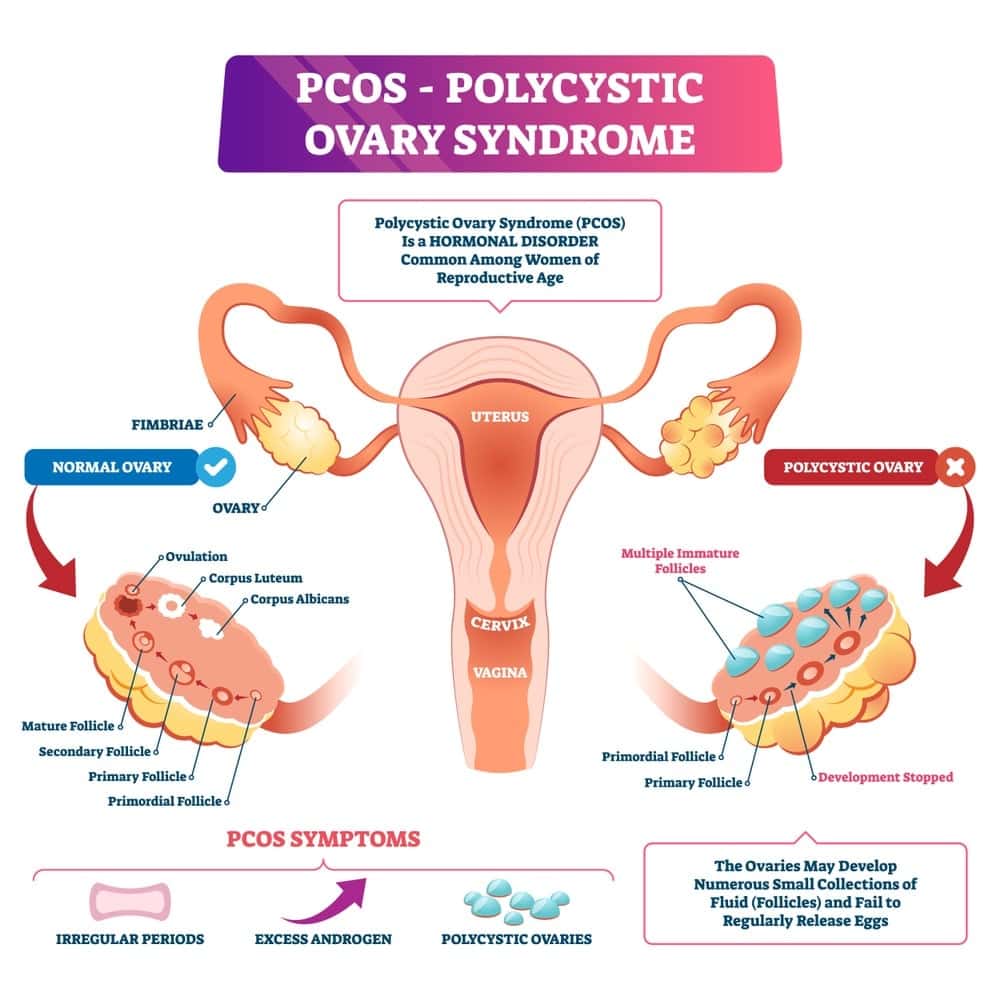
Ovulation induction isn't a catch-all fix, but it tends to work well for women dealing with:- Polycystic Ovary Syndrome (PCOS)
- Irregular menstrual cycles
- Anovulation (no ovulation at all)
- Unexplained infertility, in certain cases
- Ovulatory disorders caused by hormonal imbalance
How Does the Ovulation Induction Treatment Work
There's a fairly consistent rhythm to the ovulation induction procedure, even though the pacing and dosages shift from one patient to the next. It typically starts with an initial evaluation. Medical history, a physical exam, hormone testing, and an ultrasound followed by fertility medication to support egg development. From there, it's mostly a matter of watching and adjusting. Ultrasound scans and hormone tests, if the situation calls for them. The doctor sees exactly how the follicles are developing, so dosing decisions are based on real reports. Once the timing looks right, an hCG trigger injection may be given to bring on egg release, at which point conception is attempted, either through timed intercourse or IUI. A few different ovulation induction medications tend to come up in this process. Letrozole and Clomiphene Citrate are the usual oral choices, while injectables get used when the oral route hasn't done the job. Which one a patient ends up on really comes down to her age, hormone levels, ovarian reserve, weight, and how she's responded to treatment in the past.Benefits of Ovulation Induction
For the right candidate, this approach has a lot going for it:- Restores more regular ovulation
- Improves the chances of conceiving naturally
- Can boost pregnancy rates further when combined with IUI
- No surgery involved
- Adjusted to fit each patient's specific situation
- Monitored closely throughout, for safety as much as effectiveness
Are There Any Risks
Like most fertility treatments, ovulation induction isn't risk-free. Careful monitoring keeps most of these risks manageable, but it's worth knowing what to check-out for:- Multiple pregnancy (twins or more)
- Ovarian Hyperstimulation Syndrome (OHSS)
- Mild abdominal discomfort or bloating
- Mood changes
- Headache or nausea, depending on the medication
Preparing for Treatment
Before treatment even starts, expect your doctor to ask for blood tests to check hormone levels, a pelvic ultrasound, semen analysis for the male partner, and a full review of medical history and current medications. Everyday habits play a role too. A healthy weight, a reasonably balanced diet, regular movement, and cutting back on smoking or alcohol won't guarantee anything on their own, but together they tend to support the process.When Should You See a Fertility Specialist
A few signs it's time to book that first appointment:- Periods that are irregular, or missing altogether
- Twelve months of trying without success (six months, if you're 35 or older)
- A PCOS diagnosis, or another hormonal condition
- Ovulation problems that keep recurring
- Past fertility treatments that haven't worked out
Take the Next Step Towards Parenthood
For a lot of women, ovulation induction turns out to be the turning point that finally carries them past ovulation-related infertility and into pregnancy, whether that happens on its own or with a bit of help from IUI. None of the fertility journey looks the same, though, so treatment can't really be the same. It has to be shaped around a woman's own history, her test results, and what she's actually hoping for. At Nandi IVF Delhi, recognized as the Best IVF Centre in Delhi, our fertility specialists take the time to understand each patient’s unique situation before recommending a personalized, evidence-based treatment plan. If ovulation-related challenges have been standing between you and the family you want, talking to a qualified infertility specialist is a solid place to start. It won't fix everything overnight but it's a real step in the right direction.
Medically Reviewed & Authored By
Dr. Payal Bajaj
MBBS, DGO, Fellowship in ART (Germany & Japan)
Senior IVF & Embryology Consultant with over 20+ years of specialized clinical experience in reproductive endocrinology, blastocyst culture, and complex recurrent IVF failure cases. Over 10,000+ healthy babies delivered.