
Key Medical Takeaways
Essential highlights by Dr. Payal BajajIn India, about 27.5 million couples face infertility, with many turning to IVF for help. One of the key factors in IVF success is understanding a woman's ovarian reserve. That's where Anti-Müllerian Hormone (AMH) testing comes in. This sim...
Table of Contents (Jump to Section)
In India, about 27.5 million couples face infertility, with many turning to IVF for help. One of the key factors in IVF success is understanding a woman's ovarian reserve. That's where Anti-Müllerian Hormone (AMH) testing comes in. This simple blood test measures AMH levels, giving doctors important insights into a woman's egg count and fertility potential. Amh Test Price In Delhi typically ranges around ₹1,500 to ₹1,800, depending on the diagnostic center.
AMH testing helps fertility specialists create personalized treatment plans. It predicts how the ovaries will respond and guides doctors in choosing the Best IVF Centre In Delhi approach. With this information, they can adjust medication doses, optimize stimulation protocols, and improve the chances of a successful pregnancy.
In this blog, we’ll explore how AMH testing plays a role in IVF treatment. We'll look at its importance and how it helps doctors tailor treatment plans to increase the chances of success. Let’s dive into how this small test can make a big difference on your journey to parenthood.
What is AMH Testing?
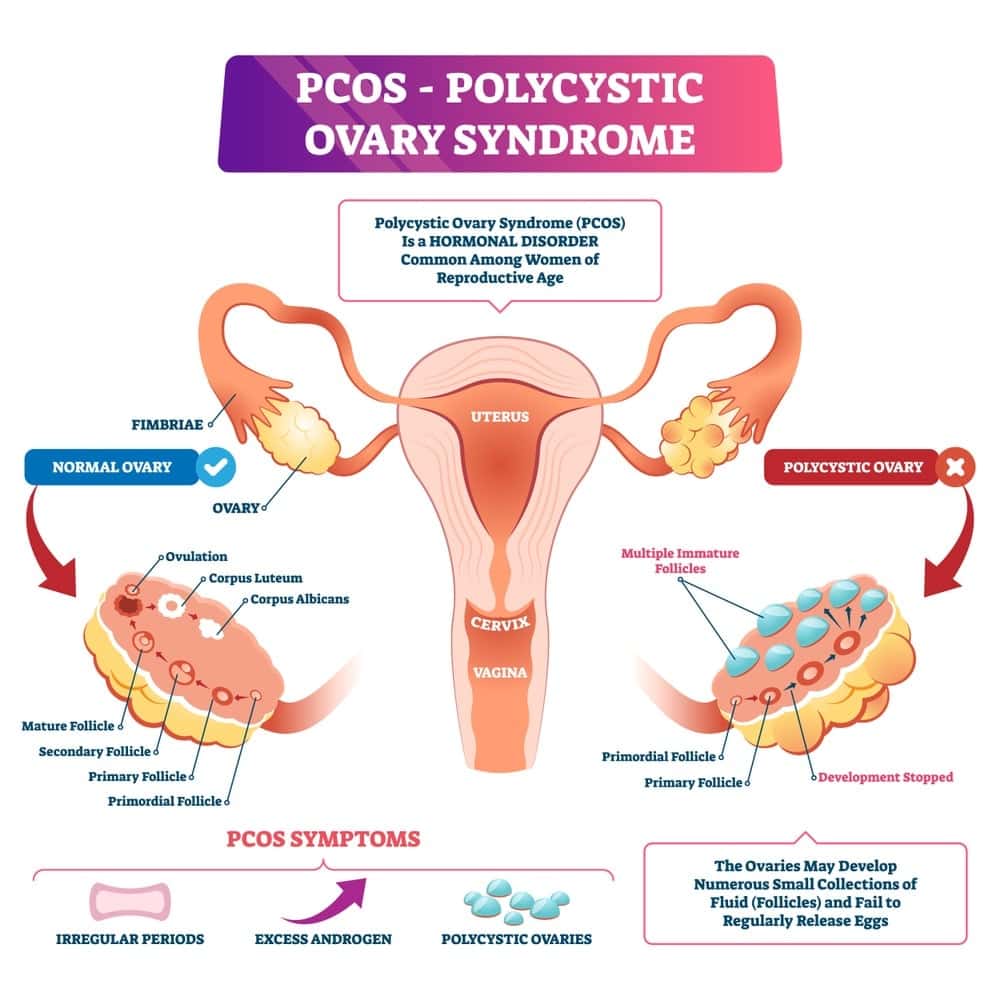
AMH stands for Anti-Müllerian Hormone. It is a protein made by the cells in ovarian follicles. This hormone plays an important role in assessing your ovarian reserve, which refers to how many eggs you have left. The AMH test is a simple blood test that measures the level of this hormone. Your AMH levels can be low, normal, or high. Low levels mean a reduced ovarian reserve, while high levels could suggest polycystic ovary syndrome (PCOS) or a higher number of follicles. This test is especially helpful in fertility treatments, as it helps doctors predict how your body will respond to ovarian stimulation during procedures like IVF.How AMH Testing Helps in IVF Treatment
AMH testing is important in IVF treatment because it helps predict how your ovaries will react to stimulation. Higher AMH levels often mean a better response to stimulation, while lower levels suggest that doctors may need to adjust their approach. By understanding your ovarian response, doctors can tailor your treatment plan. They can adjust medication doses to get the best results and reduce risks, such as Ovarian Hyperstimulation Syndrome (OHSS). AMH testing also helps set realistic expectations for IVF success, giving you and your doctor a clearer idea of what to expect based on your ovarian reserve.Combining AMH Testing with Other Factors
AMH is an important indicator of ovarian reserve, but it’s not the only factor to consider. Doctors combine your AMH levels with other tests, such as your antral follicle count, hormone levels, age, and medical history. These factors help create a full picture of your fertility. This complete assessment is key in choosing the right treatment plan and increasing your chances of IVF success. By looking at all aspects of your fertility, your doctor can make sure they’re considering everything that might affect your chances.Key Takeaways
AMH testing is an important tool for checking ovarian reserve and understanding a woman’s fertility. By measuring AMH levels, doctors can adjust IVF treatment plans to better suit each patient. This helps ensure the most personalized care possible. Knowing your AMH levels helps doctors decide on the best way to approach stimulation, egg retrieval, and embryo transfer. This can improve the chances of a successful outcome. At Nandi IVF, we use advanced diagnostic tools like AMH testing to create treatment plans tailored to your needs. We focus on providing personalized care with the latest technology. Our goal is to guide you through each step of the IVF process, offering the support and expertise you need to achieve your dream of becoming a parent.
Medically Reviewed & Authored By
Dr. Payal Bajaj
MBBS, DGO, Fellowship in ART (Germany & Japan)
Senior IVF & Embryology Consultant with over 20+ years of specialized clinical experience in reproductive endocrinology, blastocyst culture, and complex recurrent IVF failure cases. Over 10,000+ healthy babies delivered.