Key Medical Takeaways
Essential highlights by Dr. Payal BajajAfter Embryo Transfer Day by Day Symptoms: Stepping into parenting is one of the most significant and intimate phases in everyone's life. Nonetheless, for most couples and people with fertility problems, IVF becomes a shining ray of hope. I...
Table of Contents (Jump to Section)
After Embryo Transfer Day by Day Symptoms: Stepping into parenting is one of the most significant and intimate phases in everyone's life. Nonetheless, for most couples and people with fertility problems, IVF becomes a shining ray of hope. IVF is a revolutionary intervention in assisted reproductive technology that has transformed the way infertility is handled in the world, and embryo transfer forms a crucial stage of this treatment.
Embryo transfer represents the final stage of in vitro fertilisation (IVF) treatment. It is only after this stage that intended mothers can perform the pregnancy test. The procedure involves the delicate placement of the highest quality embryo into the patient's uterus using a catheter. Many patients have concerns and questions regarding the possible symptoms that may occur following the embryo transfer. This post aims to explain the procedure; the most common after embryo transfer day by day symptoms, and their duration.
Read Also : Egg Freezing Price in Delhi : Comparing Storage Fees, Medications and Procedure

 The journey to seeing positive pregnancy test results after embryo transfer can be challenging both - physically and emotionally. However, it is also essential to realise that each individual’s experience is unique, and after embryo transfer day by day, symptoms such as hormonal fluctuations, spotting, breast soreness, etc., may occur at different times and to varying degrees. The key is to remain calm and seek help from a fertility specialist or other health care provider if you have any worries. Remember that not every symptom indicates or guarantees a particular outcome. It is always a good decision to seek professional help and receive the best action and advice.
Read Also: What To Eat After Embryo Transfer IVF?
The journey to seeing positive pregnancy test results after embryo transfer can be challenging both - physically and emotionally. However, it is also essential to realise that each individual’s experience is unique, and after embryo transfer day by day, symptoms such as hormonal fluctuations, spotting, breast soreness, etc., may occur at different times and to varying degrees. The key is to remain calm and seek help from a fertility specialist or other health care provider if you have any worries. Remember that not every symptom indicates or guarantees a particular outcome. It is always a good decision to seek professional help and receive the best action and advice.
Read Also: What To Eat After Embryo Transfer IVF?
What is an Embryo Transfer?
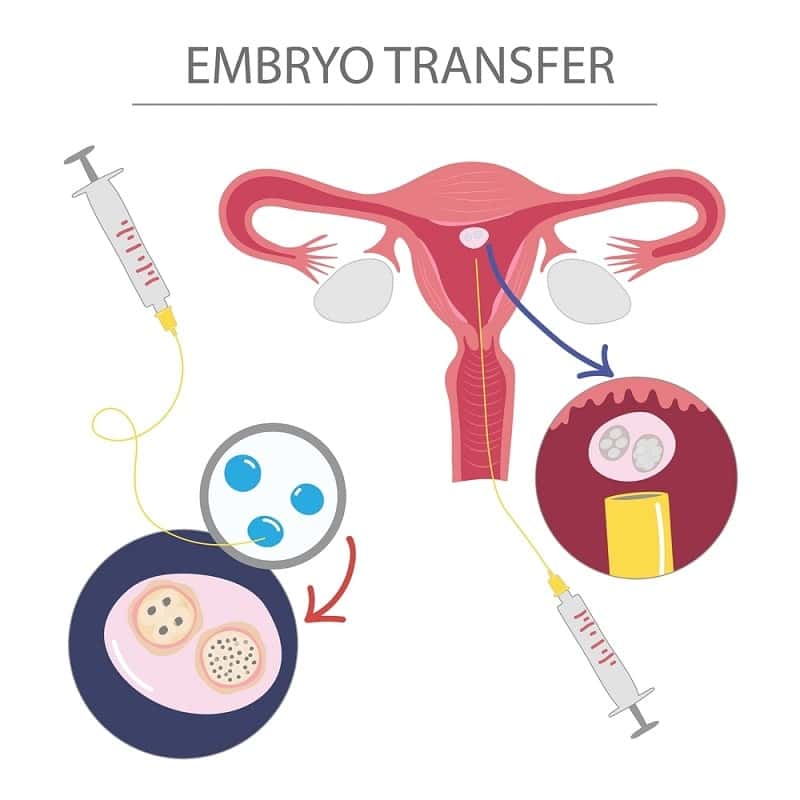
Embryo transfer is a straightforward and simple procedure that follows in vitro fertilisation (IVF). The procedure aims to enhance conception after fertilisation through the IVF process. The procedure starts with anaesthesia given, and then a slender catheter containing the specified number of embryos and a small amount of fluid is gently guided through the cervix into the uterus. The last step of embryo transfer includes the release of embryos into the uterus. After this, the patient needs to keep track of after embryo transfer day by day symptoms to ensure the success of the IVF treatment.
How Long Does an Embryo Transfer Take?
An embryo transfer typically lasts from 15 to 30 minutes. It involves the doctor using a speculum to insert a thin, long catheter into the vagina. The catheter containing the embryos transfers them into the uterus through the cervix. A small amount of fluid included in the catheter facilitates the process. After inserting the embryos, the patient can take rest if necessary. The procedure is the least invasive, and the post-embryo transfer duration maybe 30 minutes, depending on the patient's comfort. The procedure can take two to four hours, including the setup, rest period, and transportation. Read Also: The Science Behind No Symptoms After Embryo Transfer: Exploring the PossibilitiesAfter Embryo Transfer Day by Day Symptoms
Post-blastocyst embryo transfer takes about 14 days before an intended mother can check for pregnancy. Following are some of the after embryo transfer day by day symptoms to look out for:Days 1-3: The Early Days
It is common for women to experience mild cramping during the first few days after the procedure.- Spotting or light discharge may occur as the embryo settles into the uterus. It can also result from irritation caused to the cervix during the procedure.
- Immediately after the embryo transfer, the body undergoes several changes; it is common to feel tired during the first few days after the procedure. Fatigue is also one of the key side effects of medications taken during IVF treatment.
Days 4-6: Implantation Window
- As the embryo burrows into the uterine lining, the progesterone in the body begins to maintain the endometrium in an optimal state to support the embryo implantation. It leads to light bleeding or spotting, typically pinkish or brownish.
- Some women may feel mild cramping or twinges as the embryo implants into the uterine lining.
- There is an increase in basal body temperature by 1 or 2 degrees during the implantation window.
Day 7: Early Pregnancy Symptoms
- The hormones administered during the embryo transfer can cause harder-than-normal, swollen, or tender breasts. Additionally, there can be tingling in nipples or even darkening of areolas. These changes are similar to what an individual may experience before her period.
- An increase in hCG pregnancy in blood and urine right after embryo implantation leads to increased urination. Additionally, increased blood flow to the pelvic area can also result in frequent urination.
- Changes in hormones make individuals emotionally sensitive. Getting irritated and depressed is quite common.
- Hormonal changes and increased levels of human chorionic gonadotropin (hCG) in the blood can cause nausea and dizziness.
- Implantation bleeding results from an embryo’s implantation into the uterine lining. It generally lasts shorter than a regular period. Not everyone experiences implantation bleeding as one of the embryo transfers day by day symptoms, so don’t worry if you don’t see any.
Day 8: Placenta Starts Forming
After one week of embryo transfer, the placenta starts forming when an embryo becomes more established in the uterine lining. Some of the symptoms that appear during this phase include:- As the embryo embeds into the uterine lining, one may experience mild cramping or pain in the lower abdomen. However, this is not a universal symptom, and some may not experience this symptom.
- Sleeping more at night, having trouble getting up, and feeling foggier and tired during the day can result from changing hormones and increased blood volume.
Day 9 and Beyond - Embryo Development Phase
- After successful implantation, the proliferation of glandular tissue in mammary glands increases the sensitivity and soreness of breasts. This breast tenderness and soreness feel similar to what some people experience before their menstrual cycle.
- As the progesterone and estrogen levels fluctuate, the appetite also changes. Increased levels of heartburn and acid reflux due to pregnancy hormones can result in loss of appetite. This fluctuation can also cause increased appetite in some cases.
- Elevated progesterone levels in blood vessels lead to vasoconstriction, which results in mild and frequent headaches. One should keep their body hydrated and contact their healthcare provider if the headache persists or worsens.
Day 14: Time For a Pregnancy Test
- White vaginal discharge with a slight odour indicates successful embryo transfer. However, it is always recommended to visit your doctor if you experience itching, burning, or extremely smelly discharge.
- A missed menstrual cycle indicates a successful pregnancy, especially if you are otherwise consistent. Thus, in case of missed periods, it is a good idea to conduct a pregnancy test and contact your fertility clinic.
The journey to seeing positive pregnancy test results after embryo transfer can be challenging both - physically and emotionally. However, it is also essential to realise that each individual’s experience is unique, and after embryo transfer day by day, symptoms such as hormonal fluctuations, spotting, breast soreness, etc., may occur at different times and to varying degrees. The key is to remain calm and seek help from a fertility specialist or other health care provider if you have any worries. Remember that not every symptom indicates or guarantees a particular outcome. It is always a good decision to seek professional help and receive the best action and advice.
Read Also: What To Eat After Embryo Transfer IVF?
Wrapping up,
In vitro fertilisation, or IVF, emerges as a beacon of hope, offering individuals and couples the opportunity to realise their dreams of becoming parents while overcoming all fertility challenges. Understanding the intricacies of the step-by-step IVF journey and receiving proper guidance about after embryo transfer day by day symptoms makes it easier for them to manage expectations prudently and prioritise their mental well-being. Nandi IVF strives to provide low-cost and high-quality pre and post-fertility treatments, care and guidance for couples facing difficulty in conception. The clinic offers various services to assist in solving issues experienced by both - men and women. The clinical, surgical, and psychological interventions with modern equipment and the highest international quality standards help individuals and couples receive unwavering support, a personalised approach to sailing through after embryo transfer day by day symptoms, and a secure environment to embark on the IVF adventure. Schedule an appointment today! Read Also: Normal Pus Cells in Urine During Pregnancy: Comprehensive Guide Read Also: Understanding the Signs of Bad Egg Quality – Taking the Right Steps Read Also: 7 Steps to Getting Pregnant with Blocked Fallopian Tubes Read Also: Comparing Tubectomy and Vasectomy: Which Option is Right? Read Also : What to Expect after Embryo transfer normal vs concerning symptoms?
Medically Reviewed & Authored By
Dr. Payal Bajaj
MBBS, DGO, Fellowship in ART (Germany & Japan)
Senior IVF & Embryology Consultant with over 20+ years of specialized clinical experience in reproductive endocrinology, blastocyst culture, and complex recurrent IVF failure cases. Over 10,000+ healthy babies delivered.